


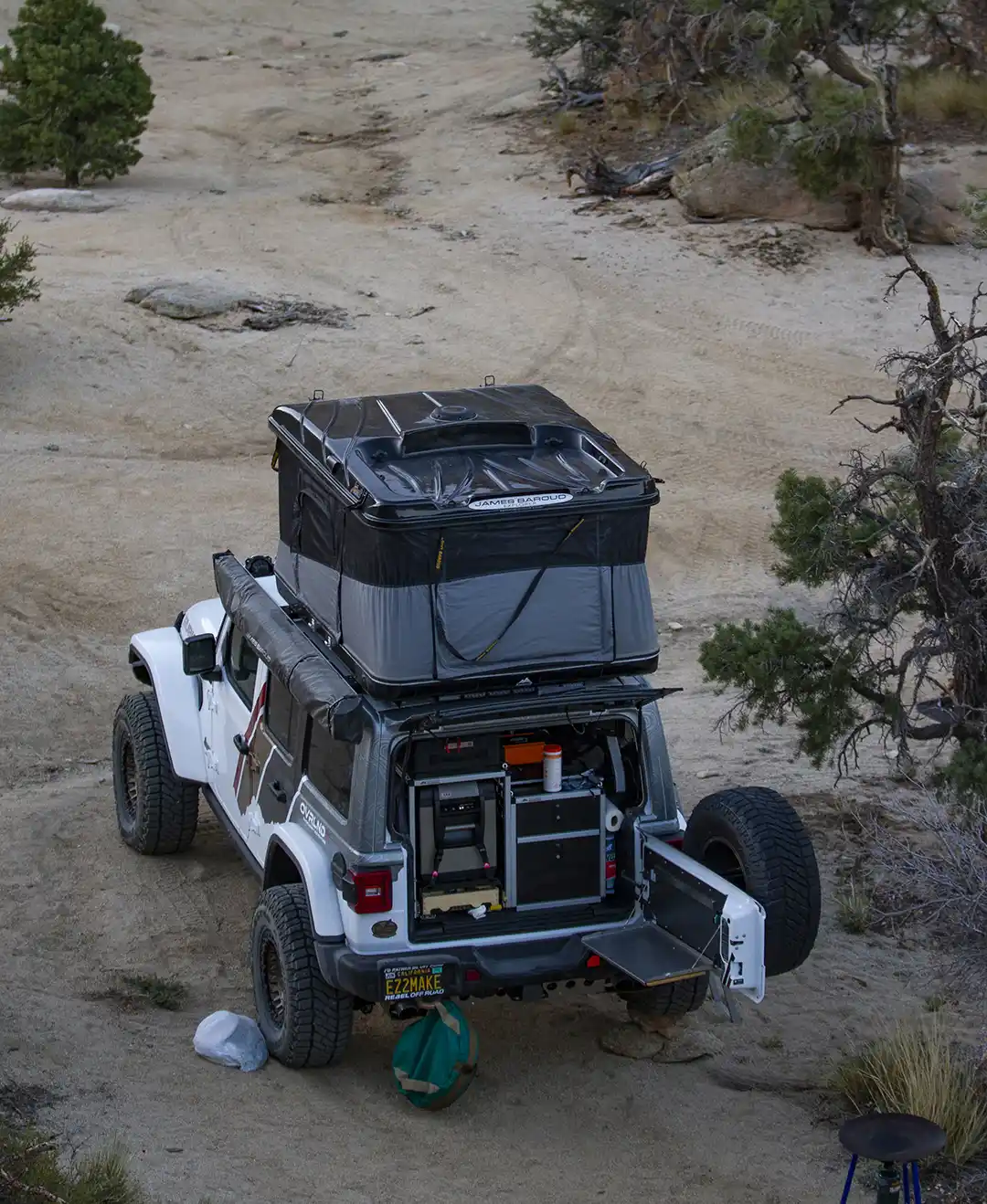
Let’s be honest. The dream of overlanding is all about freedom—the open road, a distant horizon, and the promise of adventure just past that next dusty turnoff. But the reality, the part that truly makes or breaks the journey, happens long before you leave your driveway. It’s the preparation. And honestly, it’s a tangled mix of practical problem-solving and unexpected challenges that can feel as vast as the landscapes you want to explore.
Here’s the deal: preparing your overlanding vehicle isn’t just bolting on a roof rack and calling it a day. It’s a deliberate, sometimes frustrating, process of turning a standard vehicle into a self-sufficient, reliable home-on-wheels. You’re balancing capability with budget, durability with weight, and let’s not forget…your own sanity.
The Core Pillars of Practical Prep
Think of your vehicle build in layers. Start from the ground up, literally. Skipping fundamentals for flashy gear is a classic—and costly—mistake.
1. Foundation First: Reliability & Recovery
Before any glamorous modifications, your vehicle must be mechanically sound. A breakdown in the middle of nowhere isn’t an adventure; it’s an emergency. This means a thorough pre-trip inspection: fluids, belts, hoses, brakes, battery. It’s boring, but it’s non-negotiable.
Then, you need a plan for when things stop going smoothly. Recovery gear is your insurance policy. A basic recovery kit should include a rated recovery point (not a tow ball!), a kinetic recovery rope or snatch strap, a shovel, and traction boards. The challenge here? Knowing how to use it all. Practice in a safe spot before you need it for real.
2. The Weighty Issue of Payload and Storage
This is a huge one. Every liter of water, every tool, every spare part, and that comfy camp chair adds up. Exceeding your vehicle’s Gross Vehicle Weight Rating (GVWR) is dangerous—it strains suspension, brakes, and drivetrain, making handling unpredictable.
The practical solution is ruthless prioritization and smart overlanding storage solutions. Use a spreadsheet (yes, really) to list and weigh everything. Pack heavy items low and centered. The challenge is our natural tendency to pack for “what-ifs.” You have to fight the urge to bring everything. Modular storage boxes and drawer systems help, but they themselves add weight. See the dilemma?
Navigating the Modification Maze
This is where excitement meets analysis paralysis. The aftermarket is enormous.
Tires, Suspension, and Protection
All-Terrain or Mud-Terrain tires are often the first upgrade. They’re your only contact with the ground, after all. The practical choice depends on your terrain mix—most overlanders find robust All-Terrains are the perfect balance. The challenge? They affect fuel economy, road noise, and, again, weight.
Once you add weight (roof-top tent, drawers, gear), your stock suspension will sag. An upgraded suspension system isn’t just for looks; it restores ride height and control. But which one? Leaf springs, coilovers, remote reservoirs? The research is deep, and the cost can skyrocket fast. Skid plates and rock sliders protect your vehicle’s vitals. Practical? Absolutely. But installing them can be a knuckle-busting challenge in a home garage.
Powering Your Journey: The Electrical Puzzle
Modern overlanding runs on electrons. Fridges, lights, comms, drones—they all need power. A dual battery system or a portable power station is essential to run accessories without killing your starter battery.
The practicalities involve calculating your daily power budget (in amp-hours) and choosing the right battery chemistry (AGM, Lithium). The challenges? Wiring. Fuses. Cable gauges. Circuit breakers. For the non-electrically inclined, this can be the most daunting part of the build. A poorly installed system is a fire hazard. Many folks, quite wisely, get professional help here.
The Less-Glamorous, Critical Challenges
Beyond the gear, there are subtle, human hurdles.
Budget Creep: It’s so easy to start with a $2,000 plan and end up with a $15,000 build. Each “while I’m at it…” addition stacks up. You have to define a budget early and…well, try to stick to it.
Analysis Paralysis: Reading forum threads and watching YouTube builds can lead to endless second-guessing. Is Brand A better than Brand B? Have I done enough? Sometimes, you just have to make an informed choice and go for it. Perfection is the enemy of departure.
The Test & Tweak Cycle: Your first shakedown trip will reveal flaws. The storage box you can’t reach. The rattle that drives you mad. The item you never used. Preparation isn’t a one-time event; it’s an iterative process. You learn, you adjust, you simplify. That’s actually part of the fun, believe it or not.
Where to Start? A Pragmatic Roadmap
Feeling overwhelmed? Don’t be. Here’s a sensible order of operations:
- Drive What You Have: Go on a weekend trip with your stock vehicle. You’ll learn what you actually need, not what the internet says you need.
- Invest in Recovery & Tires: Get basic recovery gear and the best tires you can afford for your terrain. This is your safety net.
- Address Storage & Sleep System: Figure out how to organize your gear and where you’ll sleep comfortably. This is about livability.
- Add Power & Suspension: Once you know your electrical load and vehicle weight, upgrade your power system and suspension to support it.
- Bolster Protection: With a heavier, more capable rig, add skid plates and sliders to protect your investment.
In the end, overland vehicle preparation is a deeply personal project. It’s a dialogue between you, your machine, and the unknown road. The challenges—the budget, the weight, the wiring—they aren’t just obstacles. They’re the first leg of the journey itself, teaching you resilience and resourcefulness before you ever hit the dirt. The most prepared vehicle isn’t necessarily the one with the most gadgets; it’s the one whose driver understands its limits, trusts its capabilities, and knows that the best plans are both meticulously made and lightly held. Because out there, the trail always has the final say.